
Digital marketing is changing rapidly as technology, artificial intelligence, and customer behaviour continue to evolve. Businesses are adopting new strategies to reach their target audiences, increase brand awareness, generate leads, and improve sales.
In 2026, digital marketing is becoming more data-driven, personalized, and automated. From AI-powered campaigns to short-form videos, companies need to understand the latest trends to stay competitive.
Let’s explore the top 10 digital marketing trends in 2026 that every marketer and business should know.
1. Artificial Intelligence in Digital Marketing
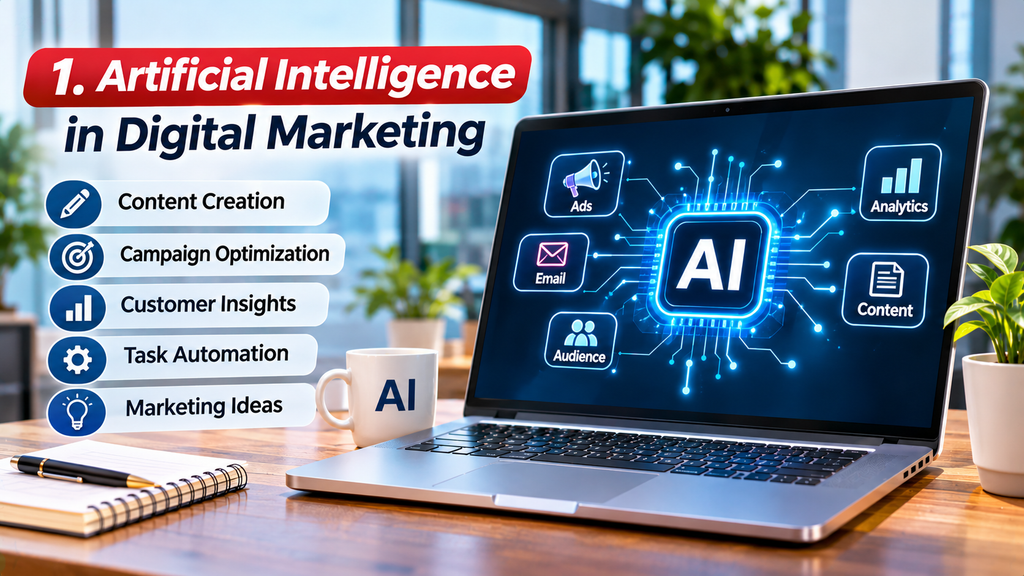
Artificial Intelligence (AI) is one of the biggest trends in digital marketing in 2026. Businesses are using AI tools to create content, generate marketing ideas, analyze customer behaviour, and improve advertising campaigns.
AI tools such as ChatGPT and other AI-powered platforms help marketers save time and complete repetitive tasks more efficiently.
For example, marketers can use AI to write email drafts, create social media captions, analyze campaign results, and generate content ideas. However, human creativity and fact-checking remain important.
2. AI-Powered SEO and Search Optimization
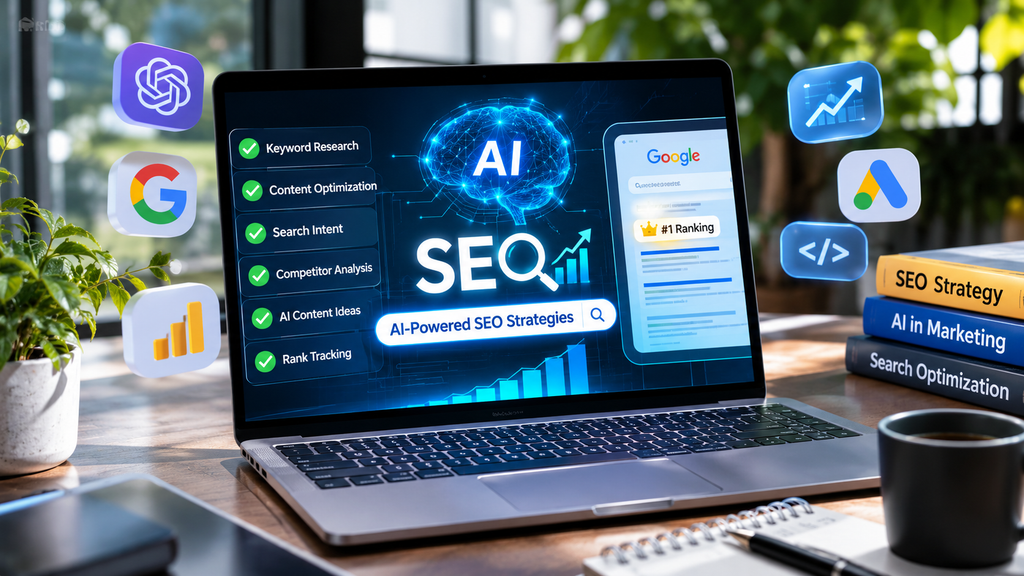
Search Engine Optimization (SEO) is evolving because people are increasingly using AI-powered search experiences to find information. Traditional keyword optimization is still important, but businesses also need content that directly answers users’ questions.
Answer Engine Optimization (AEO) focuses on making content useful and easy for AI-powered search systems to understand and reference.
Businesses should publish helpful articles, use clear headings, answer common questions, and demonstrate genuine expertise to improve their online visibility.
3. Short-Form Video Marketing
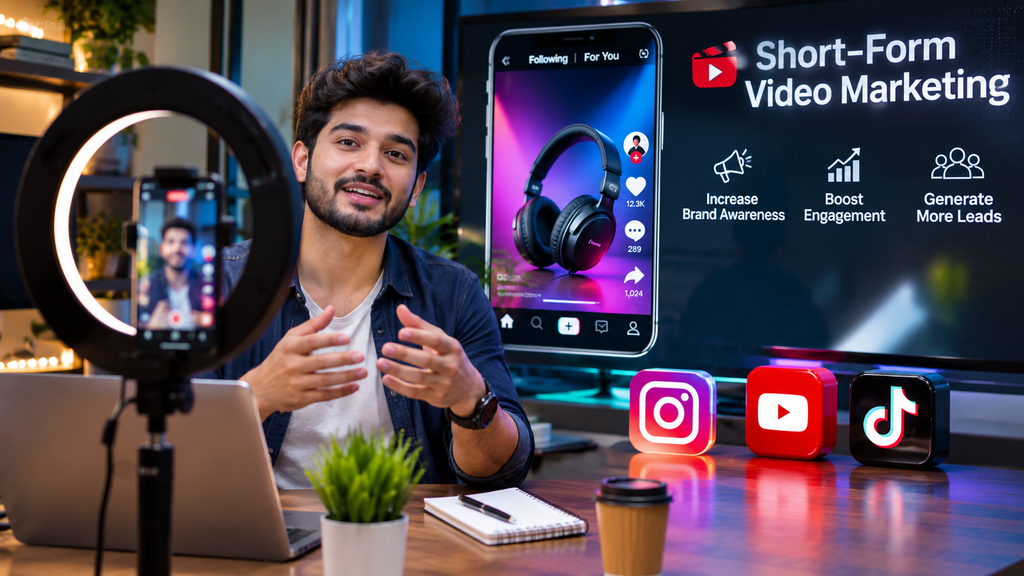
Short-form videos continue to be a powerful way to attract attention online. Platforms such as Instagram Reels, YouTube Shorts, and TikTok allow businesses to connect with audiences through short and engaging videos.
Businesses can use videos to demonstrate products, share customer reviews, explain services, and provide quick educational tips.
For example, a small clothing business can create a 30-second video showing its latest collection. Short, useful, and entertaining videos can help brands increase engagement and reach new customers.
4. Influencer and Micro-Influencer Marketing
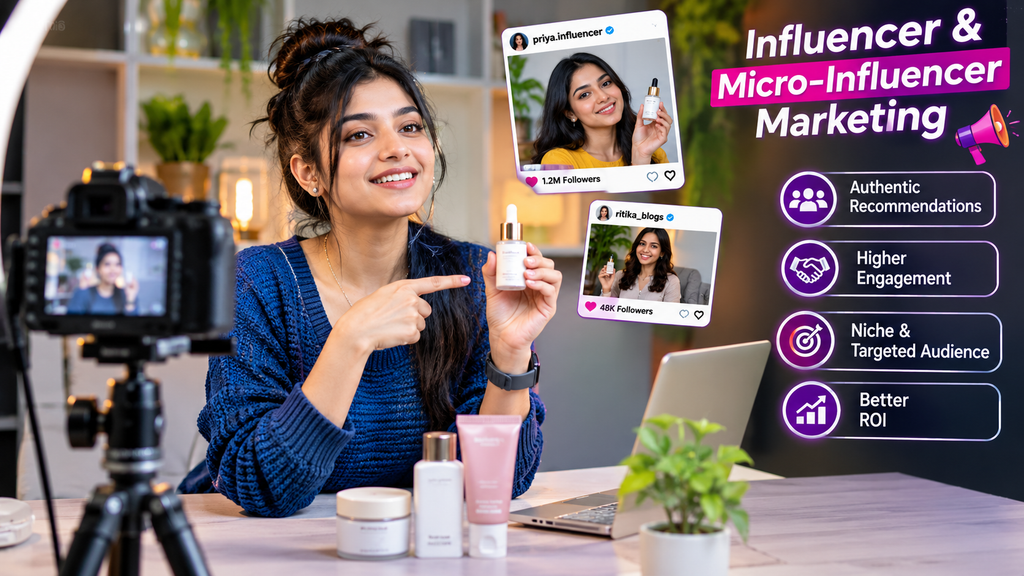
Influencer marketing remains an important strategy in 2026. Businesses collaborate with content creators to promote their products and services to established audiences.
Micro-influencers usually have smaller, more focused audiences and can offer brands access to specific communities.
For example, a skincare company might collaborate with a beauty creator who regularly shares skincare tips. Genuine recommendations and relevant audiences can help businesses build trust and attract potential customers.
5. Social Commerce and In-App Shopping
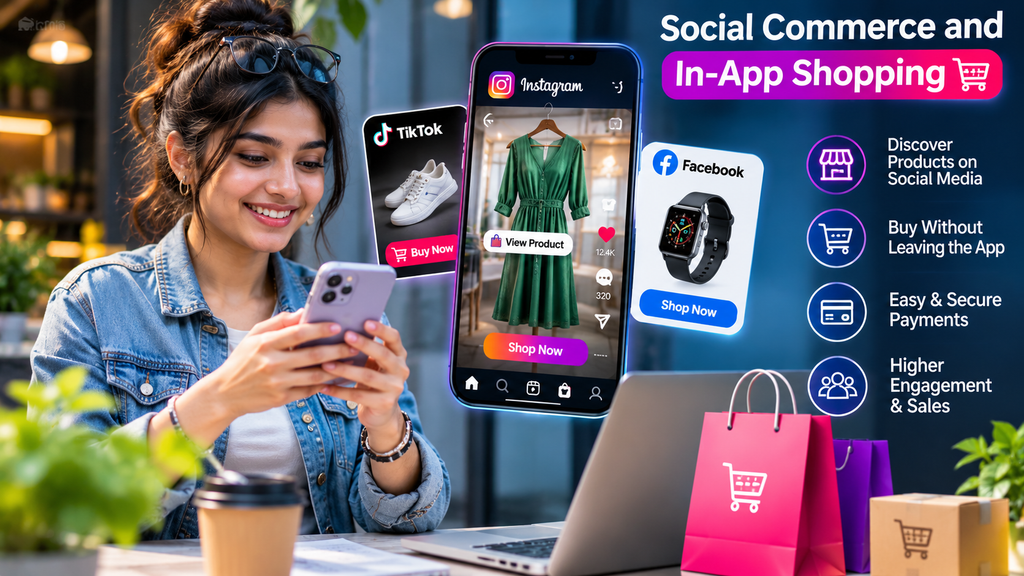
Social commerce allows customers to discover and purchase products through social media platforms. Instead of visiting multiple websites, users can explore products through social content and shopping features.
Businesses are using product tags, shopping posts, creator collaborations, and live demonstrations to make purchasing easier.
For example, a fashion brand can showcase a new outfit through an Instagram post and direct interested customers to its online store.
6. Personalized Marketing Experiences
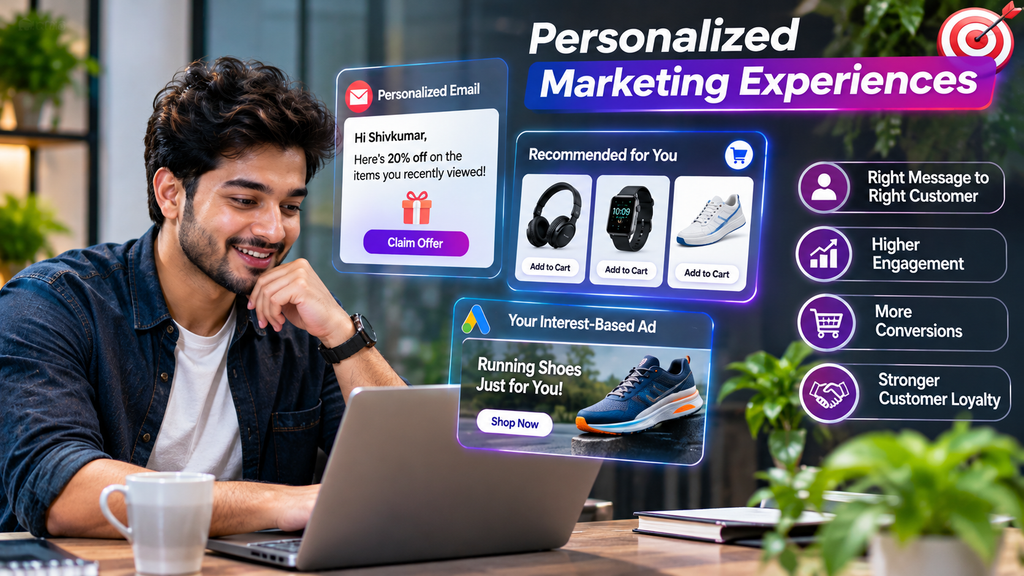
Customers increasingly expect brands to understand their interests and needs. Personalized marketing uses customer information and behaviour to deliver more relevant messages, offers, and recommendations.
Businesses can personalize email campaigns, product suggestions, website experiences, and advertisements.
For example, an online shopping website can recommend products based on a customer’s previous purchases or browsing activity. Personalization can improve customer engagement and encourage repeat purchases.
7. First-Party Data and Privacy-Focused Marketing
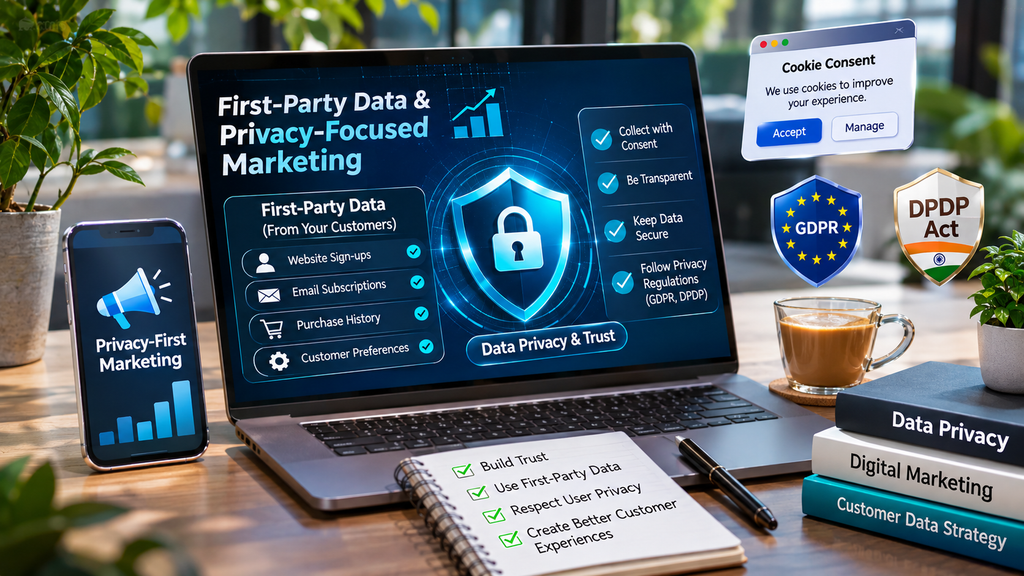
Data privacy is becoming increasingly important in digital marketing. Businesses need to collect and use customer information responsibly, with appropriate consent and transparency.
First-party data is information collected directly from customers through sources such as website forms, newsletter subscriptions, purchases, and customer accounts.
Companies can use this information to understand their audiences and create relevant campaigns while following applicable privacy regulations.
8. Marketing Automation and AI Agents
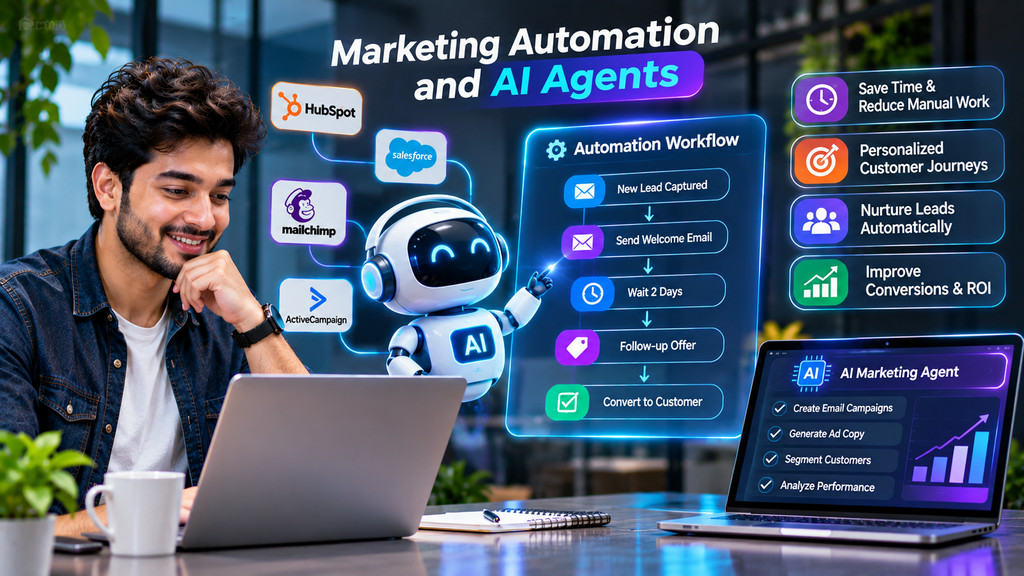
Marketing automation helps businesses manage repetitive marketing activities without performing every task manually.
Companies use automation for welcome emails, follow-up messages, lead nurturing, customer notifications, and campaign scheduling.
In 2026, AI-powered agents are also developing beyond basic automation. They can assist with tasks such as analyzing information, recommending actions, and supporting customer interactions.
These technologies help marketing teams save time and focus on strategy and creativity.
9. User-Generated Content and Authentic Marketing
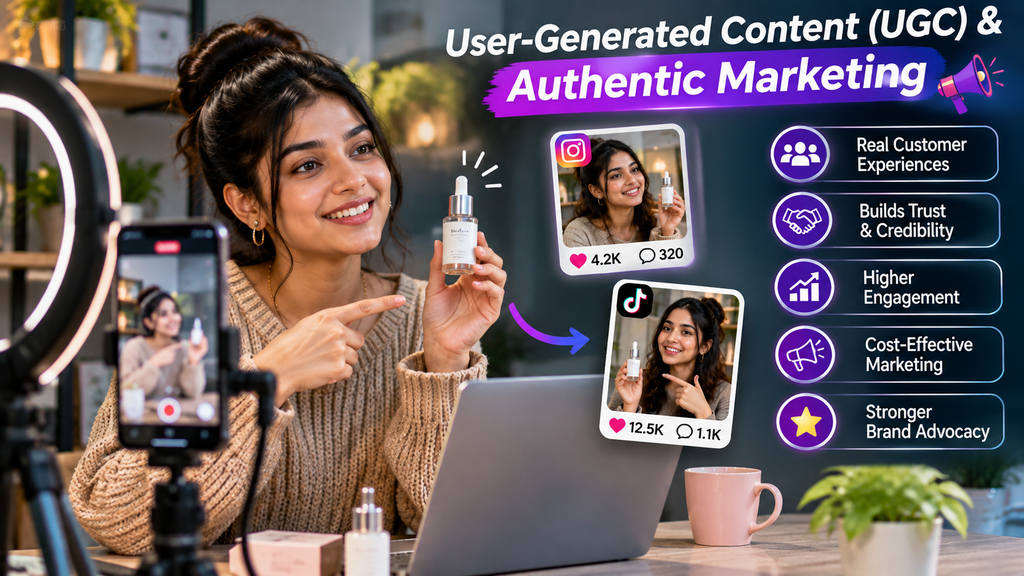
User-generated content (UGC) refers to content created by customers, such as product reviews, testimonials, photos, and videos.
People often want to see genuine customer experiences before making purchasing decisions. Businesses can encourage customers to share their experiences and feature authentic content in their marketing campaigns.
For example, a restaurant can share customer food photographs and reviews on its social media pages. Authentic content can strengthen brand credibility and customer trust.
10. Performance Marketing and Data-Driven Advertising
Performance marketing focuses on measurable results such as clicks, leads, sales, and conversions. Businesses use platforms such as Google Ads and Meta Ads to reach specific audiences and track campaign performance.
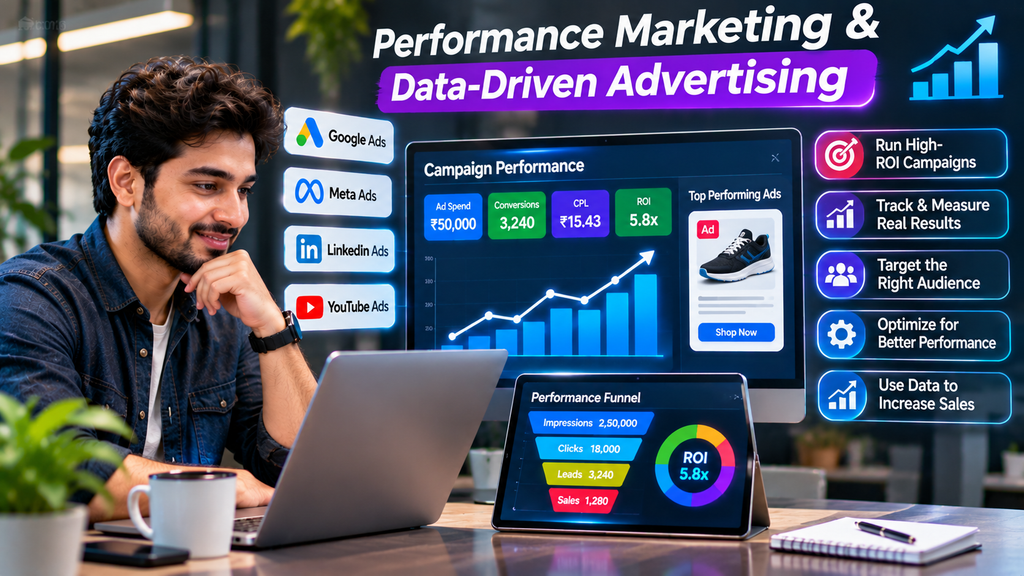
Marketers analyze important metrics such as:
- CPC (Cost Per Click)
- CTR (Click-Through Rate)
- CPA (Cost Per Acquisition)
- Conversion Rate
- ROAS (Return on Ad Spend)
By monitoring these metrics, businesses can identify successful campaigns, improve advertising strategies, and manage their marketing budgets more effectively.
Conclusion
Digital marketing in 2026 is focused on artificial intelligence, personalization, automation, video content, customer experience, and measurable results. Businesses that understand these trends can improve their online presence and build stronger relationships with customers.
Whether you are a business owner, student, or digital marketing professional, learning these trends can help you understand the future of the industry.
The most successful marketers will be those who combine modern technology with human creativity, useful content, and a clear understanding of customer needs.